Buying furniture is a major investment. But before spending thousands of pesos, you need to know how to tell if furniture is solid wood and not just veneer or engineered board.
Many stores in the Philippines advertise “solid wood,” but some pieces are actually MDF, plywood, or particle board with a thin wood layer on top. These materials may look similar at first — but they don’t last nearly as long.
If you’re wondering how to tell if furniture is solid wood in the Philippines, this expert guide will help you avoid costly mistakes.
Quick Answer: How to Tell if Furniture Is Solid Wood
If you need a fast way to understand how to tell if furniture is solid wood, check the grain pattern, inspect the edges, examine the joinery, look underneath the piece, and ask what type of wood was used. Real solid wood has consistent natural grain throughout and does not reveal layers or compressed materials.
Now let’s break it down properly.
1. Check the Grain Pattern to Tell if Furniture Is Solid Wood
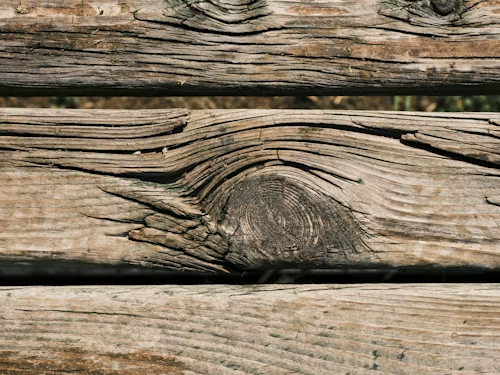
The first step in learning how to tell if furniture is solid wood is examining the grain.
Real wood has:
- Natural variations
- Irregular patterns
- Non-repeating grain lines
- Subtle texture differences
If the grain looks perfectly repeated or printed, it may be laminate or veneer.
According to wood experts, hardwood grain patterns are naturally unique and never identical across surfaces (see general hardwood structure information on Wikipedia).
2. Inspect the Edges to Tell if Furniture Is Solid Wood
Another effective way to understand how to tell if furniture is solid wood is by checking the edges and corners.
Look closely at:
- Table edges
- Drawer fronts
- Cabinet sides
If you see a thin layer glued over another material, that’s veneer.
Solid wood should show continuous grain wrapping around edges. There should be no visible layers.
This method is especially important when buying furniture in the Philippines, where veneer pieces are commonly sold as “solid.”
3. Look Underneath the Furniture
When buyers ask us how to tell if furniture is solid wood before buying, we always recommend flipping the piece over if possible.
Check:
- The underside of tables
- Inside drawers
- Back panels
Solid wood will look consistent throughout.
Engineered wood often reveals:
- Layered sheets (plywood)
- Compressed fibers (MDF)
- Small wood chips (particle board)
If the inside looks different from the outside, it’s likely not 100% solid wood.
4. Examine the Joinery
Traditional craftsmanship is another clue in identifying solid wood furniture.
High-quality solid wood furniture often uses:
- Mortise and tenon joints
- Dovetail joints
- Wooden dowels
Cheaper furniture relies heavily on:
- Staples
- Nails
- Visible screws
If you’re serious about learning how to tell if furniture is solid wood, always inspect the joinery. Quality construction is a strong indicator of authenticity.
5. Check the Weight and Density
Solid wood is dense and heavy.
For example:
- Narra
- Acacia
- Mahogany
These hardwoods commonly used in the Philippines are significantly heavier than MDF or particle board.
If a large dining table feels unusually light, that’s a warning sign.
However, weight alone is not enough. Always combine this test with grain and edge inspection.
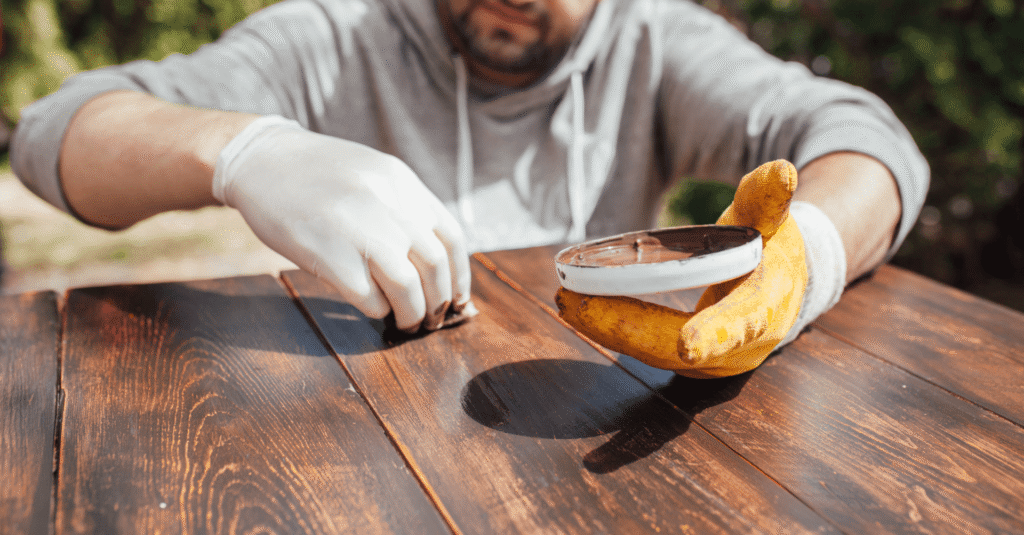
6. Observe How the Surface Absorbs Stain
Another important step in understanding how to tell if furniture is solid wood or veneer is looking at the finish.
Real solid wood absorbs stain unevenly across the grain, creating natural depth and color variation.
Fake solid wood furniture often has:
- Uniform color
- Plastic-like shine
- Printed wood patterns
If the surface looks too perfect, be cautious.
7. Ask Direct Questions Before You Buy
Sometimes, the easiest way to know how to tell if furniture is solid wood in the Philippines is to simply ask.
Ask the seller:
- What type of wood is used?
- Is this 100% solid wood?
- Are there engineered components?
- Where is it manufactured?
Reputable makers of handmade wooden furniture will confidently explain materials and construction.
Why Fake Solid Wood Furniture Is Risky in the Philippine Climate
The Philippines has high humidity and temperature changes.
Engineered materials like MDF and particle board can:
- Swell
- Warp
- Crack
- Peel over time
Solid wood, when properly dried and treated, adapts better to tropical conditions.
This is why many homeowners choose solid hardwood for long-term durability.
Solid Wood vs Veneer vs MDF (Quick Comparison)
| Feature | Solid Wood | Veneer | MDF |
|---|---|---|---|
| Lifespan | 20–50+ years | 5–15 years | 3–10 years |
| Repairable | Yes | Limited | No |
| Moisture Resistance | High | Medium | Low |
| Long-Term Value | Excellent | Moderate | Low |
When you truly understand how to tell if furniture is solid wood, you avoid paying premium prices for low-quality materials.
Is Solid Wood Furniture Worth the Higher Price?
Yes — especially in the Philippines.
While solid wood costs more upfront, it:
- Lasts decades
- Can be refinished
- Can be restored instead of replaced
- Maintains resale value
Cheap furniture may need replacement every 5–7 years. Over time, that becomes more expensive.
Final Thoughts: Protect Your Investment
Learning how to tell if furniture is solid wood protects your money and your home.
Before purchasing:
✔ Check the grain
✔ Inspect the edges
✔ Examine the joinery
✔ Look underneath
✔ Ask direct questions
When you invest in authentic solid wood furniture, you’re choosing durability, craftsmanship, and long-term value.
Frequently Asked Questions
How can I tell if furniture is solid wood or veneer?
Check the edges and underside. Solid wood has continuous grain, while veneer shows a thin wood layer over another material.
How many times should I check before buying?
If you’re unsure how to tell if furniture is solid wood, inspect at least three areas: grain, edges, and joinery before making a decision.
Is solid wood better for Philippine homes?
Yes. Solid wood handles humidity better than MDF or particle board when properly treated.
Why is solid wood furniture more expensive?
Because it uses real hardwood, skilled labor, and traditional joinery, making it more durable and long-lasting.