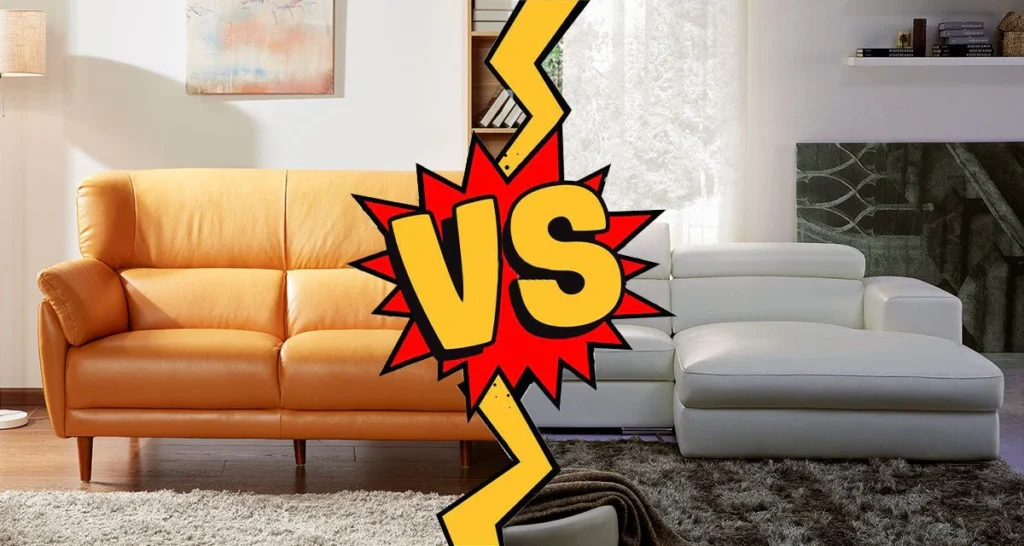
Budget vs Investment Furniture is one of the biggest decisions homeowners face when decorating or upgrading their space. Should you save money on affordable pieces, or invest more in high-quality furniture that lasts for years? Understanding the difference can help you avoid costly mistakes and make confident buying decisions.
In this guide, we’ll break down when to spend less, when to invest more, and how to create a beautiful home without overspending.
What Does Budget vs Investment Furniture Mean?
Budget vs Investment Furniture refers to deciding whether a furniture piece should be affordable and temporary, or high-quality and long-term.
- Budget furniture is usually lower in price, mass-produced, and ideal for short-term needs.
- Investment furniture is built with durable materials, strong construction, and timeless design meant to last for many years.
According to the Better Business Bureau, quality and durability should always be considered before making large purchases.
When to Choose Budget Furniture
There are situations where budget furniture makes perfect sense.
✔ 1. Temporary Living Situations
If you’re renting or moving soon, affordable furniture is practical.
✔ 2. Trend-Based Items
Trendy pieces may go out of style quickly. Budget options prevent overspending on short-term trends.
✔ 3. Low-Use Areas
Guest rooms, decorative accent tables, or occasional chairs don’t require premium materials.
For affordable ready-to-assemble options, retailers like IKEA provide practical short-term solutions.
When to Invest in Quality Furniture
Some pieces deserve more of your budget.
✔ 1. Sofas and Living Room Seating
Investing in hardwood frames and quality cushions pays off. Learn how to choose the perfect sofa in our Complete Sofa Buying Guide
✔ 2. Dining Tables
A solid dining table can last generations.
✔ 3. Bed Frames and Mattresses
Quality sleep impacts your health. According to the National Sleep Foundation, proper support improves sleep quality.
✔ 4. Work Desks and Office Chairs
Ergonomic furniture supports posture and productivity.
7 Smart Rules for Budget vs Investment Furniture
1️⃣ Invest in What You Use Daily
High-traffic items deserve durability.
2️⃣ Save on Decorative Accessories
Side tables, lamps, and décor can be budget-friendly.
3️⃣ Consider Cost Per Use
A $1,000 sofa used daily for 10 years may cost less per day than a $300 sofa replaced every 2 years.
4️⃣ Check Construction Materials
Solid wood and reinforced joints last longer than particle board.
For sustainability insights, you can read about responsible wood sourcing from Forest Stewardship Council.
5️⃣ Avoid Emotional Purchases
Impulse buying often leads to regret.
6️⃣ Choose Timeless Over Trendy
Classic styles stay relevant longer.
7️⃣ Mix Budget and Investment Pieces
Balance is the key to mastering Budget vs Investment Furniture.
💡 Cost Per Use: The Smart Buyer’s Secret
The smartest way to understand Budget vs Investment Furniture is calculating cost per use.
Example:
- ₱11,000 coffee table used occasionally
- ₱66,000 sofa used daily for 10 years
Even though the sofa costs more upfront, it actually becomes the better financial decision long-term because you use it every day for many years.
🚫 Common Mistakes to Avoid
- Buying cheap furniture for high-use areas
- Ignoring material quality
- Not measuring your space
- Focusing only on price, not durability
For interior planning inspiration, you can explore design resources from Architectural Digest.
Final Thoughts
Understanding Budget vs Investment Furniture empowers homeowners to make smarter, long-term decisions that balance style, comfort, and financial sense. Not every piece in your home needs to be expensive, but certain key items—like sofas, dining tables, and beds—deserve an investment because they are used daily and directly impact your comfort and well-being. On the other hand, budget-friendly pieces can be strategically chosen for low-use areas, decorative accents, or trend-driven items, helping you save money without compromising your home’s overall look.
By thoughtfully mixing investment and budget furniture, you create a living space that is both functional and aesthetically pleasing. Consider factors such as material quality, durability, and timeless design, and always calculate cost per use to make informed choices. When done right, this balance ensures your home looks beautiful today and remains practical, comfortable, and inviting for many years to come, providing long-term value for you and your family.