
Wood Furniture Care: 10 Powerful Tips to Protect and Restore Your Furniture
Wood furniture care is essential if you want your tables, cabinets, dressers, and dining sets to maintain their beauty for years. High-quality wooden furniture is an investment, and proper wood furniture care protects that investment from scratches, fading, moisture damage, and everyday wear. When maintained correctly, solid wood furniture can last for generations while maintaining its original charm and durability. If you’re shopping for durable pieces, explore our full
Wood is a natural material that reacts to its environment. Changes in temperature, humidity, and daily use all affect its condition. According to the American Hardwood Export Council, hardwood furniture can last decades or even centuries when it is properly maintained. This makes consistent wood furniture care one of the most important habits homeowners can develop.
One of the most important foundations of wood furniture care is regular dusting. Dust may appear harmless, but over time it can create fine scratches that dull the finish. Using a soft microfiber cloth and wiping gently in the direction of the grain helps prevent surface damage. Weekly dusting keeps buildup from forming and preserves the smoothness of the finish. Avoid feather dusters, as they tend to spread dust instead of removing it.
Cleaning wooden furniture requires special attention because harsh chemicals can damage protective finishes. Many all-purpose cleaners contain ammonia or strong ingredients that strip the surface and cause discoloration. Instead, a mild mixture of dish soap and warm water works effectively when used sparingly. The surface should always be dried immediately after cleaning to prevent moisture absorption. Trusted home care resources such as Better Homes & Gardens recommend gentle cleaning methods specifically designed for wood surfaces. Following proper cleaning practices is a crucial part of long-term wood furniture care.
Moisture and heat are two of the biggest threats to wooden furniture. Excess water can cause swelling or warping, while high temperatures can dry out the wood and create cracks. Protecting surfaces with coasters, placemats, and table runners helps shield them from daily damage. Furniture should also be positioned away from radiators, fireplaces, and direct sunlight, as prolonged exposure can lead to fading and structural stress. Managing indoor humidity levels is another important step in maintaining healthy wood.
Preventing scratches is much easier than repairing them. Adding felt pads to the bottom of chairs and table legs reduces friction when furniture is moved. Avoid dragging heavy items across wooden surfaces, and be mindful of placing sharp or rough objects directly on tables. Even small preventative steps can significantly improve your overall wood furniture care routine and extend the lifespan of your furniture.
Minor scratches and water rings are common issues, but they are often manageable. Light scratches can sometimes be concealed using a matching wood touch-up marker or by gently rubbing a walnut over the affected area. For mild water stains, careful treatment and polishing may reduce their appearance. However, deeper damage may require professional refinishing to restore the piece properly. Addressing small problems early is an essential principle of effective wood furniture care.
Polishing wooden furniture enhances its natural shine, but moderation is key. Over-polishing can create buildup that attracts dust and leaves surfaces feeling sticky. Applying a quality furniture polish every few months is typically sufficient to maintain luster without overwhelming the finish. Always follow manufacturer instructions and buff gently with a clean, soft cloth.
Seasonal changes also affect wooden furniture, making seasonal wood furniture care important. During colder months, indoor heating can dry out wood and cause shrinking. Using a humidifier helps maintain balanced moisture levels. In warmer months, high humidity can cause expansion, so air conditioning or dehumidifiers may help stabilize the environment. Monitoring seasonal conditions ensures your furniture remains stable year-round.
Occasionally, deeper cleaning is necessary to refresh your furniture. A thorough dusting followed by gentle surface cleaning and careful drying helps remove accumulated residue. This type of maintenance, performed a few times per year, keeps finishes clear and prevents long-term buildup. Consistent wood furniture care routines are far more effective than infrequent heavy cleaning.
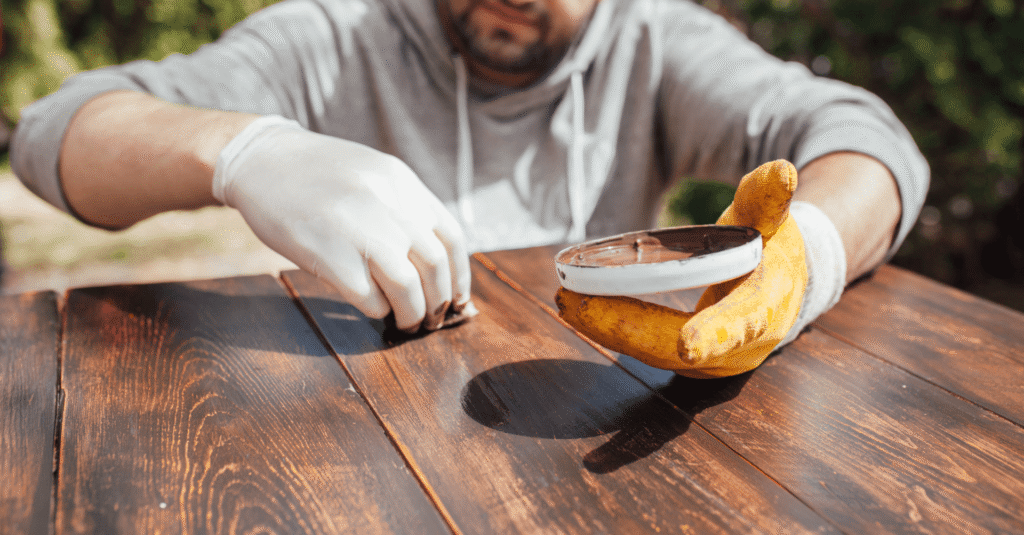
Over many years of use, refinishing may become necessary. Signs that refinishing is needed include deep scratches, fading, peeling finishes, or stubborn stains that do not respond to regular cleaning. Professional refinishing restores the original beauty of the wood while preserving its structure. Even then, continued wood furniture care remains essential to protect the renewed surface.
In conclusion, wood furniture care is not complicated, but it does require consistency. Simple habits such as dusting regularly, cleaning gently, protecting surfaces from heat and moisture, and controlling humidity make a significant difference over time. When properly maintained, wooden furniture becomes more than just décor — it becomes a lasting part of your home’s story. By committing to proper wood furniture care, you ensure that your furniture remains beautiful, durable, and functional for generations.